Introduction
In a world where culinary artistry and creativity meet the functionality of contemporary cooking area tools, the value of maintaining your N2O tank can not be overstated. Whether you're a professional chef or an enthusiastic home cook, comprehending how to correctly maintain your nitrous oxide (N2O) tanks is vital for both security and effectiveness. This guide will walk you through everything you require to know about your Nang Tanks, Nitrous Oxide Tanks, and other related equipment.
The necessary guide to maintaining your N2O tank will cover various aspects including use, upkeep practices, storage pointers, troubleshooting common concerns, and more. By the end of this extensive article, you'll have a solid grasp on how to https://blogfreely.net/rezrymjjrm/releasing-imagination-in-the-kitchen-area-with-nangs-tank make sure the longevity and efficiency of your N2O equipment.
What is a Nitrous Oxide Tank?
Understanding Nitrous Oxide
Nitrous oxide (N2O), frequently known as laughing gas or whippits, has actually gotten popularity beyond its initial medical applications in dentistry and anesthesia. Today it's extensively utilized in cooking settings to create whipped cream and other foams rapidly. A nitrous oxide tank is a pressurized container that houses this gas. When linked to a giving device-- like a cream charger or nang canister-- it enables the fast infusion of nitrous into liquid ingredients.
Components of a Nitrous Oxide Tank
A basic nitrous oxide tank consists of:
- Tank Body: The primary container that holds the gas. Valve: Controls the release of nitrous oxide when engaged. Pressure Gauge: Shows the existing pressure within the tank. Safety Relief Valve: Prevents over-pressurization by launching excess gas if necessary.
Understanding these parts is crucial for effective maintenance.
The Vital Guide to Maintaining Your N2O Tank
Importance of Maintenance
Proper upkeep is vital for ensuring that your Nang Tanks run efficiently and safely. Disregarding these obligations can lead to leaks, ineffectiveness in efficiency, or perhaps dangerous situations due to inappropriate handling.

Regular Inspection Checklist
To keep your nitrous oxide tank in leading shape, follow this examination list:
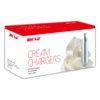
Check for Leakages: Inspect all connections and tubes for any sign of leakage.
Examine the Pressure Gauge: Ensure it reads within safe functional limits.
Inspect Valves and Connections: Guarantee they are firmly sealed without any indications of wear or damage.
Clean Residue: Regularly clean any residue from previous uses to prevent contamination.
Store Properly: Maintain appropriate storage conditions as comprehensive later on in this guide.
How to Use Your N2O Tank Safely
Safety Preventative measures Before Use
Before using your Nang Canisters or Cream Charger Cylinder, it is essential to take some security preventative measures:
- Always use protective gloves and goggles when managing nitrous oxide tanks. Ensure you're operating in a well-ventilated location to avoid inhalation hazards. Never expose the tank to extreme heat or direct sunshine; store it at space temperature far from flammable materials.
Operational Procedures
Securely connect your cream charger bottle or nang cylinder to the giving tool.
Slowly open the valve while keeping an eye on pressure levels via the gauge.
Dispense with controlled pressure; avoid unexpected releases that could cause accidents.
After use, guarantee that valves are closed firmly before saving away.
Storing Your N2O Tank Correctly
Ideal Storage Conditions
Keeping your Nitrous Oxide Tank stored correctly can greatly extend its lifespan:
- Store upright in a cool, dry area far from direct sunlight. Keep it protected with brackets or straps if possible; this avoids toppling which could result in damage or leaks.
Avoiding Typical Storage Mistakes
When saving your N2O tanks:
- Avoid positioning heavy items on top of them which may trigger physical damage. Do not shop near heat sources like ranges or radiators; extreme heat can increase internal pressure dangerously.
Troubleshooting Common Issues with N2O Tanks
Identifying Possible Problems
Common concerns might consist of low pressure readings or trouble giving gas:
If you observe low pressure however have simply filled your tank:- Check for leakages around fittings utilizing soapy water; bubbles show getting away gas.
- Ensure connections are protected and check if the valve is completely opened.
- Consult expert services experienced in dealing with nitrous oxide systems.
Cleaning Your N2O Devices Properly
Why Cleaning up Matters?
Maintaining tidiness helps avoid contamination within foodstuff while extending devices life:
- Residue buildup can disrupt proper operating over time. Cleaning reduces health dangers related to bacteria growth in contaminated equipment.
Step-by-Step Cleaning Process
Disconnect all parts from the nitrogen tank carefully.
Use warm soapy water together with non-abrasive cloths for cleaning up surfaces.
Rinse completely with clear water-- make sure no soap residue remains before reassembling parts.
Allow components to air dry entirely before keeping them back together.
Safety Functions on Modern Nitrous Oxide Tanks
Built-in Security Mechanisms
Modern tanks frequently include several safety features designed to secure users:
Pressure relief valves immediately launch excess pressure preventing explosions.
Safety caps safeguard valves when tanks aren't in usage-- always replace them after operation!
Color-coded gauges assistance users rapidly recognize whether their tanks are full or empty at a glance!
FAQs About Maintaining Your N2O Tank
1. How often need to I examine my N2O tank?
It's recommended to carry out inspections each month or before considerable use periods (like vacations).
2. What ought to I do if I smell gas?
Immediately leave the location and contact emergency situation services if necessary!
3. The length of time does an N2O tank last?
Typically ranges from 6 months approximately 5 years depending on usage frequency; constantly display levels regularly!
4. Can I refill my own nitrous oxide tank?
It's finest done by specialists due to adherence guidelines regarding pressurized gases!
5. Is it safe for home use?
Yes! As long as safety protocols are followed vigilantly throughout handling processes!
6. Are there particular storage requirements?
Yes! Keep upright at space temperature far from flammable material & & direct sunlight exposure!
Conclusion
Maintaining your N2O tank does not need to be daunting; equipped with understanding about use practices and safety preventative measures makes all difference! Routine assessments combined with correct cleansing methods ensure not only reliable performance but also enhanced longevity too! Keep in mind-- the more care you give towards keeping these vital cooking tools-- the more delicious creations you'll produce effortlessly!
With this important guide under your belt, you're now gotten ready for everything-- from utilizing those cream charger nangs effectively-- to fixing any pesky problems that develop down roadway! Pleased whipping!